Why Is It So Hard to Get Started?: The Psychology Behind Procrastination

"I'll Start on Monday..."
Have you ever said any of these?
“I’ll start exercising when things calm down.”
“I’ll begin eating healthier after the holiday.”
“I’ll get serious about my health next month.”
If so, you’re in very good company.
As a health coach, I regularly speak to people who genuinely want to improve their health, lose weight, sleep better or exercise more, but they just can’t seem to get started.
They often tell themselves they’re lazy, unmotivated or lacking willpower.
But here’s the truth:
Procrastination is rarely about laziness.
There are often very understandable psychological reasons why getting started feels so difficult.
The good news is that once you understand what’s happening, you can stop fighting yourself and start working with your brain instead.
What Is Procrastination Really?
Procrastination is the act of delaying something we know would benefit us in the long term.
The strange thing is that most people already know what they should be doing.
They know they would feel better if they:
- Walked more
- Ate more vegetables
- Went to bed earlier
- Managed stress better
- Drank more water
The problem isn’t usually a lack of knowledge.
The problem is taking action.
This is because our brains are designed to seek comfort, avoid discomfort and conserve energy.
When faced with something unfamiliar, challenging or uncertain, the brain often chooses the easier option in the moment, even when it conflicts with our long-term goals.
The Hidden Reasons We Put Things Off
Fear of Failure
Many people don’t realise that fear of failure sits underneath procrastination.
You might think:
“What if I start and can’t stick to it?”
“What if I fail again?”
“What’s the point if it won’t work?”
If you’ve tried to lose weight, start exercising or change habits in the past and struggled, your brain may be trying to protect you from experiencing disappointment again.
The result?
Avoidance feels safer than trying.
Fear of Success
This one surprises many people.
Sometimes it’s not failure we’re worried about.
It’s success.
Success can bring change, responsibility and uncertainty.
Questions such as:
- Will people expect more from me?
- Will I have to keep this up forever?
- What if I become a different person?
These concerns often operate below conscious awareness but can still influence behaviour.
Feeling Overwhelmed
Imagine deciding to improve your health and creating a plan that includes:
- Daily workouts
- Meal preparation
- Cutting out sugar
- Drinking more water
- Going to bed earlier
- Meditating every morning
By lunchtime on Day One, you’re exhausted just thinking about it.
When goals feel too large, the brain often responds by doing nothing at all.
Not because you’re incapable.
Because the task feels overwhelming.
The Perfectionism Trap

Many people believe they need the perfect conditions before they begin.
They wait for:
- More time
- More energy
- More motivation
- A quieter week
- Better weather
- The start of a new month
Unfortunately, perfect conditions rarely arrive.
Perfectionism often disguises itself as preparation.
But waiting until everything is ideal can keep us stuck for months—or even years.
Progress begins when we’re willing to start before we feel completely ready.
Why Motivation Isn't the Answer
One of the biggest myths in health and wellbeing is that you need motivation before taking action.
In reality, motivation often comes after action.
Think about the last time you went for a walk when you didn’t feel like it.
You probably felt more motivated afterwards than before you started.
Action creates momentum.
Momentum creates confidence.
Confidence creates motivation.
Waiting to feel motivated before starting is a bit like waiting to get fit before going to the gym.
The action comes first.
Why Small Actions Matter More Than Big Plans
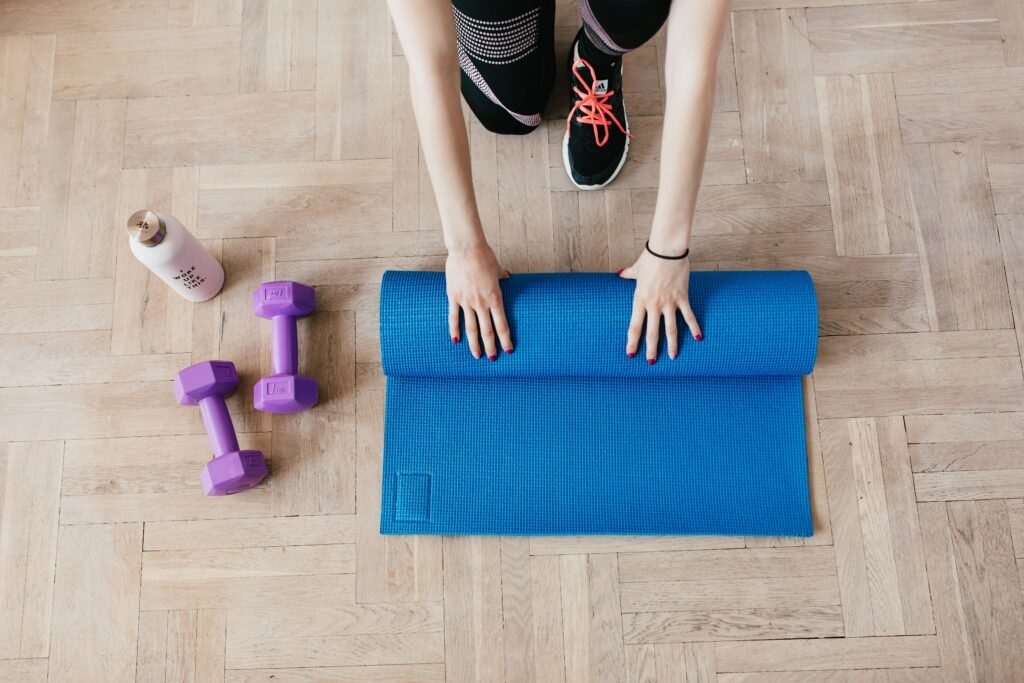
When people feel stuck, they often believe they need a bigger plan.
What they usually need is a smaller first step.
For example:
Instead of:
❌ “I’m going to exercise every day.”
Try:
✅ “I’ll walk for 10 minutes today.”
Instead of:
❌ “I’m completely changing my diet.”
Try:
✅ “I’ll add a source of protein to breakfast.”
Small actions reduce resistance.
They feel manageable.
And most importantly, they build evidence that you can follow through.
Each small success increases confidence and creates momentum for the next step.
How a Health Coach Helps You Get Unstuck
One of the biggest reasons people struggle alone is that they stay trapped inside their own thoughts.
A health coach provides:
Accountability
Knowing someone will check in can make it easier to take action.
Perspective
A coach helps you spot unhelpful thinking patterns that may be holding you back.
Realistic Goal Setting
Instead of trying to change everything at once, you learn how to focus on manageable steps.
Encouragement
When progress feels slow, a coach helps you recognise the wins you might otherwise overlook.
Support During Challenges
Life happens.
Work gets busy.
Family responsibilities increase.
Motivation dips.
Coaching helps you navigate these moments without giving up completely.
Start Today: The Five-Minute Rule

If you’ve been putting something off, try this simple exercise.
Ask yourself:
“What’s the smallest action I could take in the next five minutes?”
Perhaps it’s:
- Filling a water bottle
- Going for a short walk
- Booking a health appointment
- Preparing tomorrow’s lunch
- Stretching for five minutes
The goal isn’t to finish everything.
The goal is simply to begin.
Because once you’re moving, staying in motion becomes much easier.
You Don't Need More Willpower
If you’ve struggled to get started with healthy habits, there is nothing wrong with you.
You’re human.
Procrastination is not a character flaw.
It’s often a response to fear, overwhelm, perfectionism or previous disappointments.
What’s great is that you don’t need massive motivation or endless willpower to make progress.
You need small, consistent actions that build confidence over time.
Remember:
You don’t have to climb the whole staircase today.
You simply need to take the first step.
Ready to Stop Starting Over?
As a health coach, I help busy women overcome the mental barriers that keep them stuck and create realistic habits that fit around real life.
Together we focus on small, sustainable changes that build confidence, momentum and lasting results.
Elinore x
Ready to Take the First Step?
Book a free health review call with me and let’s explore what’s been holding you back and how you can finally move forward.