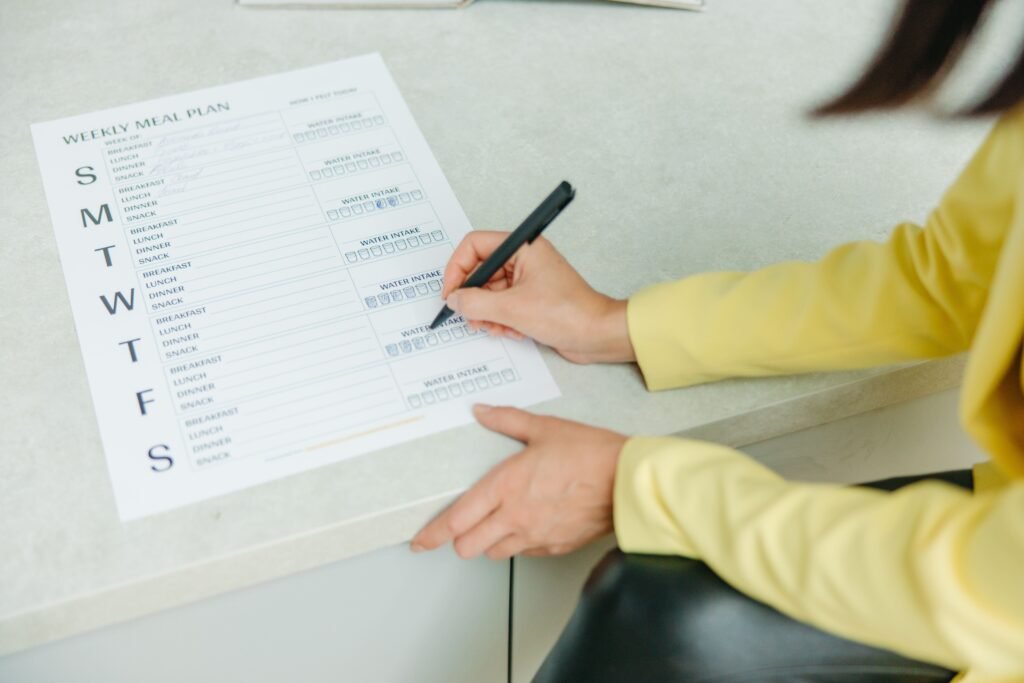
Why Motivation Isn't the Problem — Your Habits Are
Waiting Until You Feel More Motivated?
Be honest.
How many times have you told yourself:
- I’ll start when life is less busy.
- I’ll begin on Monday.
- I just need to get motivated.
- Once I feel ready, I’ll commit properly.
It sounds sensible.
After all, motivation feels like the thing that gets people moving.
The problem?
Motivation is unreliable.
Some days you’ll feel inspired and ready to conquer the world.
Other days you’ll feel tired, stressed, overwhelmed and completely uninterested in healthy habits.
That’s normal.
The women who successfully improve their health aren’t necessarily more motivated than everyone else.
They’ve simply learned how to build habits that work even when motivation disappears.
The Motivation Myth
We often imagine healthy people waking up every morning full of enthusiasm.
Ready to exercise.
Excited to meal prep.
Looking forward to an early bedtime.
Reality is usually very different.
Most healthy people have days when they don’t feel like doing any of those things.
The difference is that they’ve created habits that require less decision-making.
Instead of relying on motivation, they rely on systems and routines.
And these are far more dependable.
Why Motivation Comes and Goes
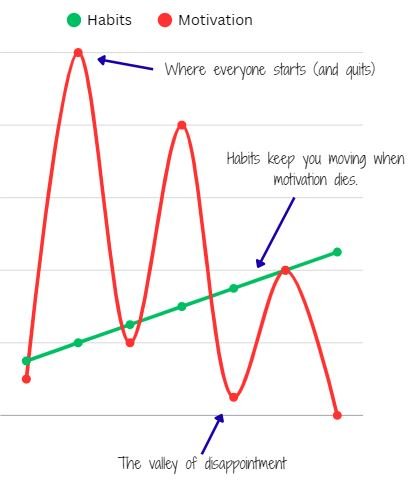
Motivation is heavily influenced by:
- Sleep
- Stress
- Energy levels
- Emotions
- Work pressures
- Family responsibilities
- Hormones
- Life circumstances
In other words, motivation changes constantly.
If your health depends entirely on feeling motivated, progress becomes unpredictable.
You’ll do well on your best days.
And struggle on your hardest days.
That’s why habits matter so much.
They provide stability when motivation fluctuates.
Habits Reduce Decision Fatigue
Every day we make thousands of decisions.
What to wear.
What to eat.
What to prioritise.
Who to respond to.
What to remember.
By evening, many people feel mentally exhausted.
This is known as decision fatigue.
Habits help because they remove some of the mental effort.
You don’t need to decide whether to do something.
You simply do it because it’s part of your routine.
The less thinking involved, the easier healthy habits become.
Why Starting Small Works Better

One of the biggest mistakes people make is creating habits that are too ambitious.
Examples include:
- Exercising every day for an hour
- Cutting out entire food groups
- Completely changing their lifestyle overnight
These plans often rely on high levels of motivation.
And high motivation rarely lasts forever.
A Better Approach
Start with habits that feel almost too easy.
Examples:
- Five-minute walk
- One extra glass of water
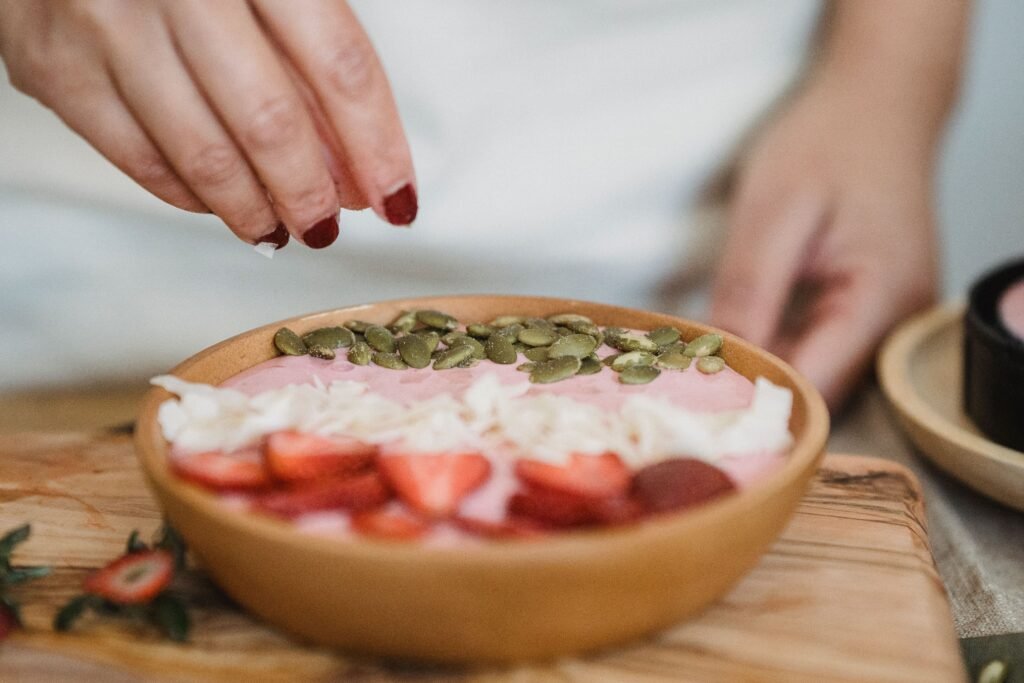
- Protein at breakfast
- Ten minutes earlier to bed
Small habits are easier to repeat.
Repetition is where lasting change happens.
Focus on Systems, Not Goals
Goals can be helpful.
But goals alone don’t create change.
For example:
A goal might be:
“I want to lose weight.”
A system might be:
“I will walk for ten minutes after dinner.”
A goal might be:
“I want better sleep.”
A system might be:
“I’ll put my phone away 30 minutes before bed.”
Goals tell you where you want to go.
Systems help you get there.
The most successful habit changes focus on the daily actions rather than the end result.
Make Healthy Habits Easier
One of the simplest ways to improve consistency is to reduce friction.
Ask yourself:
How can I make this habit easier?
Examples:
- Keep a water bottle on your desk.
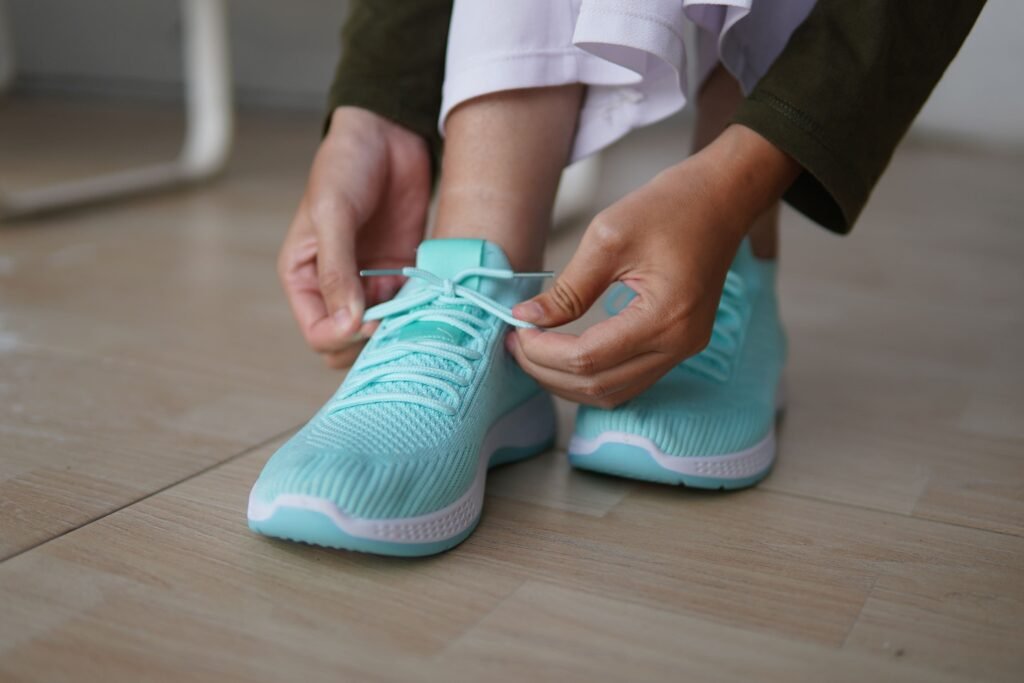
- Leave walking shoes by the front door.
- Prepare breakfast ingredients the night before.
- Set reminders on your phone.
Small environmental changes can have a surprisingly powerful impact.
The Habit Loop Explained
Many habits follow a simple pattern:
Cue
Something triggers the behaviour.
Routine
You perform the habit.
Reward
You experience a benefit.
For example:
Cue: Finish work.
Routine: Go for a walk.
Reward: Feel calmer and more energised.
The more often this cycle repeats, the stronger the habit becomes.
Understanding this can help you intentionally create habits that support your health.
What Happens When You Miss a Day?
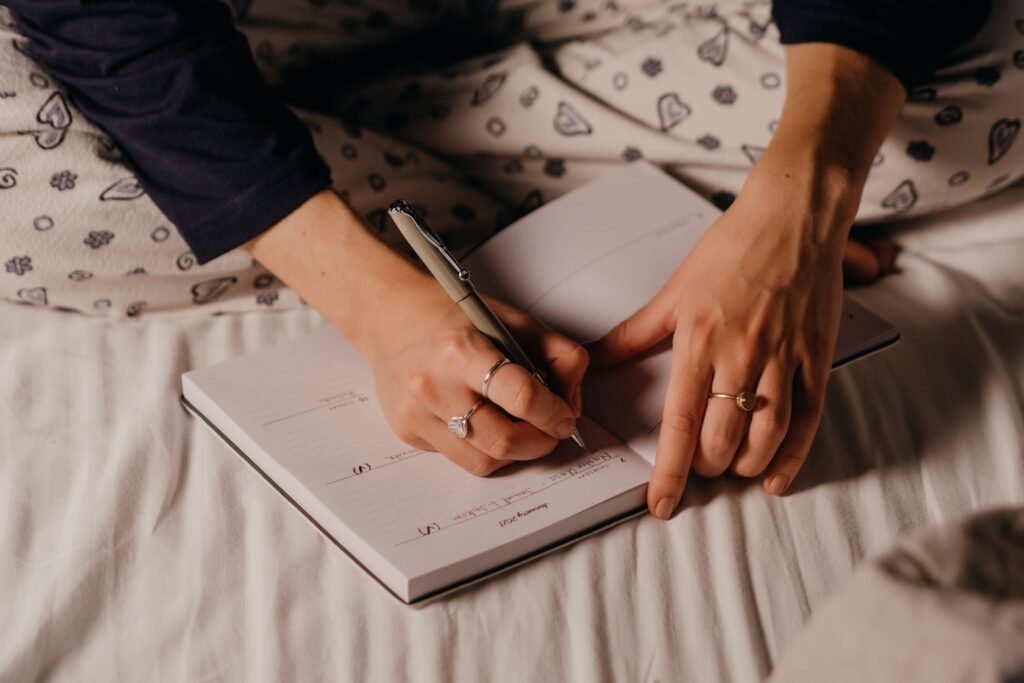
Many women assume missing one day means they’ve failed.
This is another common trap.
Life happens.
You get busy.
You get ill.
Plans change.
Missing one day isn’t the problem.
Giving up completely is.
A useful mindset is: Never miss twice.
If a habit slips today, simply return to it tomorrow.
Consistency over time matters far more than perfection.
The One-Habit Challenge
Instead of trying to change everything, choose one habit.
Just one.
Ask yourself:
What is the smallest healthy habit I could realistically repeat most days?
Then focus on consistency rather than perfection.
Examples:
✓ Walk for ten minutes.
✓ Drink one extra glass of water.
✓ Eat protein at breakfast.
✓ Go to bed fifteen minutes earlier.
✓ Spend five minutes reducing stress.
Final Thoughts
If you’ve been waiting for motivation to arrive before improving your health, I have some good news:
You don’t need more motivation.
You need habits that work even when motivation disappears.
The healthiest women I know aren’t constantly motivated.
They’re simply consistent.
They’ve built routines that support their wellbeing without relying on willpower every day.
And you can do the same.
As a health coach, I help women create simple, sustainable habits that improve energy, sleep, stress management, nutrition and confidence.
Together, we focus on realistic behaviour change that fits into real life and creates lasting results.
Elinore x
Ready to Stop Starting Over?
Book a free health review call and let’s create healthy habits that feel achievable, enjoyable and sustainable, without relying on motivation alone.
Because lasting health isn’t built through occasional bursts of effort.
It’s built through small actions repeated consistently.